
How to Prevent Frozen Pipes During Boston’s Winter Weather
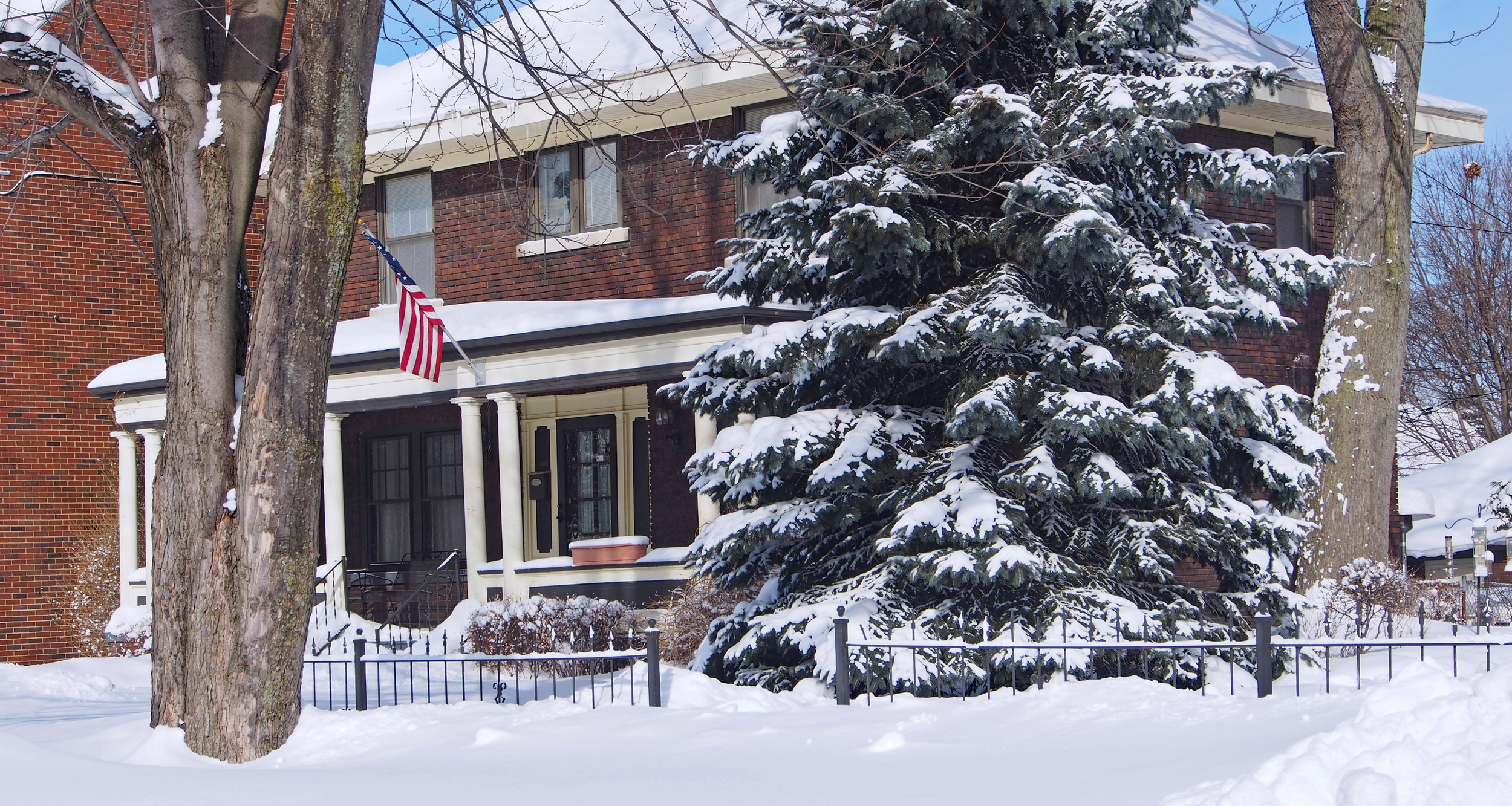
With snow and freezing temperatures headed toward Boston this weekend and into next week, now is the time to protect your home from one of winter’s most common (and costly) plumbing problems: frozen pipes.
When temperatures drop, water inside pipes can freeze, expand, and cause pipes to burst in a matter of hours. The good news? A few simple preventative steps can dramatically reduce your risk.
Why Do Pipes Freeze in Cold Weather?
Pipes freeze when temperatures fall below 32°F, especially in areas where plumbing runs through exterior walls, basements, crawl spaces, or unheated rooms. Once frozen, pressure builds inside the pipe, often leading to cracks or full pipe bursts when the ice expands.
Simple Ways to Prevent Frozen Pipes
1. Keep Cabinets Open Under Sinks
Opening cabinet doors allows warm indoor air to circulate around plumbing under sinks, especially important for pipes located along exterior walls.
2. Let Faucets Drip During Extreme Cold
A slow, steady drip keeps water moving through the pipes, reducing the chance of freezing. This is especially helpful overnight when temperatures are lowest.
3. Seal Drafts Near Plumbing
Cold air leaks around windows, doors, and foundation gaps can expose pipes to freezing temperatures. Seal drafts near basements, crawl spaces, and pipe entry points using caulk or insulation.
4. Insulate Exposed Pipes
Pipe insulation sleeves are an affordable and effective way to protect exposed plumbing, particularly in unheated areas like garages, basements, and utility rooms.
5. Keep Your Thermostat Consistent
Avoid turning your heat down too low when you’re away. Keeping a steady indoor temperature (and even bumping it up a few degrees during extreme cold) can help prevent pipes from freezing.
What If You’re Away From Home?
If you’re traveling or away during cold weather, consider these added precautions:
Install a water shut-off device to stop water flow automatically in an emergency
Use air temperature sensors that send alerts if indoor temperatures drop too low
Have a trusted neighbor or family member with access to your home who can check in if needed
These small steps can provide major peace of mind during winter storms.
Why Acting Early Matters
Frozen pipes can burst quickly and cause extensive water damage, often before homeowners realize there’s a problem. Taking preventative action before temperatures plunge is the best way to protect your home and avoid emergency repairs.
Need Help Winter-Proofing Your Plumbing?
If you have questions about protecting your pipes (or want professional help winterizing your plumbing system) TBros Plumbing is always here for you. We’re proud to serve Boston homeowners with reliable, honest plumbing solutions when it matters most.
📞 Contact TBros Plumbing today to schedule service or get expert advice.
Frequently Asked Questions About Frozen Pipes
-
Pipes can begin to freeze when temperatures drop below 32°F, but the risk increases significantly when temperatures stay below 20°F for several hours, especially for pipes in exterior walls or unheated areas.
-
Yes. Letting faucets drip slightly during extreme cold keeps water moving through the pipes, which helps prevent freezing. Even a slow drip can make a big difference overnight.
-
Pipes most at risk include:
Pipes in exterior walls
Plumbing in basements, crawl spaces, and garages
Pipes in unheated or poorly insulated areas
Outdoor hose bibs and supply lines
-
During cold weather, it’s best to keep your thermostat at a consistent temperature, even when you’re away. Turning the heat down too low increases the risk of frozen pipes, which can lead to costly damage.
-
If you suspect a frozen pipe:
Turn on the faucet connected to the pipe
Keep the area warm using safe heat sources (like a space heater or warm air)
Do not use open flames
Call a licensed plumber right away if you’re unsure or notice leaks
-
Yes. Pipes often burst as they begin to thaw, when pressure builds behind the ice blockage. This is why early detection and professional help are important.
-
If you’ll be away:
Keep your heat on at a safe temperature
Shut off and drain water lines if appropriate
Install temperature sensors or automatic water shut-off devices
Have a trusted neighbor or family member check on your home
-
Call a plumber immediately if:
You can’t locate or safely thaw a frozen pipe
You notice water damage or leaks
A pipe has already burst
You want help winter-proofing your plumbing before cold weather hits